Basic Font: A Simple Solution for a Strong Brand
The Power of a Consistent Typeface
As a small business owner, you know that first impressions matter. Every piece of branding material—from your website to your packaging—plays a role in shaping how customers see your brand. That’s where the right font comes in. Basic is a display font that brings a fresh yet familiar style to your design work, helping you create a consistent and professional look across all your marketing materials.
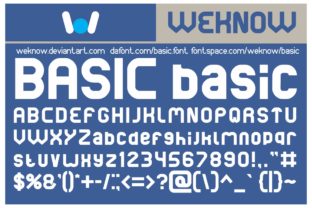
Basic has a casual feel that feels approachable and trustworthy. It’s not too bold, not too soft, but just right for businesses that want to stand out without being over the top. Its rounded shapes and balanced proportions make it versatile enough to work in both digital and print environments. Whether you're designing a logo, a social media post, or a product label, Basic can help you maintain a cohesive visual identity.
How Basic Fits Into Your Branding Strategy
When choosing a font, it's important to think about its role in your overall brand strategy. Basic is ideal for use as a headline or display font because of its clear legibility and friendly character. It works especially well in situations where you need to draw attention quickly, like on a menu, a flyer, or an Instagram post.
For example, if you run a boutique or café, using Basic on your signage or menu can give your brand a modern, welcoming vibe. The font’s clean lines and approachable style make it perfect for creating a sense of community and trust with your customers.
It’s also great for smaller text elements, such as labels or tags, where readability is key. Basic maintains clarity even when scaled down, which is essential for things like product tags, price stickers, or mobile app interfaces. This makes it a reliable choice for both online and offline touchpoints.
Real-World Applications for Basic
Let’s look at some practical examples of how Basic can be used in your everyday business operations:
- Logo Design: Use Basic as the primary typeface for your logo to create a strong, memorable brand identity.
- Business Cards: Pair Basic with a complementary sans-serif font for a clean, professional look.
- Product Labels: Apply Basic to your handmade candles or skincare products for a stylish yet readable label.
- Menu Design: Make your café or restaurant menu stand out with Basic as the main font for headings and descriptions.
- Social Media Graphics: Use Basic for headlines and captions in your Instagram stories or Pinterest pins to keep your visuals aligned with your brand voice.
By using Basic consistently across these different mediums, you’ll create a unified brand presence that resonates with your audience.
Pairing Basic with Other Fonts
While Basic is versatile on its own, pairing it with other fonts can enhance your design work. For instance, you might pair Basic with a clean sans-serif font like Helvetica or Montserrat for a modern, minimalist look. Alternatively, you could use Basic alongside a serif font like Georgia or Times New Roman for a more traditional, elegant feel.
When choosing font pairings, always consider readability and contrast. Ensure that your supporting text is easy to read, especially on digital platforms where users may be scanning through content quickly. Testing your font combinations in real-world scenarios can help you find the best fit for your brand.
Readability Matters in Business
One of the biggest advantages of Basic is its excellent readability. Whether you’re printing on packaging or displaying content on a mobile screen, Basic ensures that your message is clear and easy to understand. This is especially important for small labels, QR codes, and social media thumbnails, where text must be legible at a glance.
Additionally, Basic is designed to work well in both light and dark backgrounds, making it adaptable for a wide range of design applications. This flexibility allows you to use it confidently across various marketing channels without worrying about visibility issues.
Getting Started with Basic
Before using Basic across your entire brand, take the time to test it in different contexts. Try using it on sample logos, packaging mockups, and social media posts to see how it looks in practice. This will help you ensure that the font aligns with your brand personality and meets your design needs.
Also, remember to check the commercial font licensing terms before using Basic on products, templates, merchandise, or client work. Ensuring proper licensing helps protect your business and keeps you compliant with font usage guidelines.
With Basic, you gain a powerful tool that can elevate your brand’s visual appeal while maintaining consistency and professionalism. By using it strategically, you can create a strong, recognizable brand that stands out in a competitive market.